
Earlier this year I hit 10 years since my time as an active-duty Army officer. It’s wild to think about. On one hand it feels like yesterday, and on the other it feels like six or seven lifetimes ago.
My time in the Army was relatively short: two years with the Louisiana National Guard and three years on active duty at Fort Carson, Colorado. But it was incredibly impactful. As an intelligence officer, Uncle Sam trained us to take large volumes of data and turn them into information leaders could use to make good decisions.
Here’s how I use that same framework to look at the real estate market and make decisions as an investor, broker and business owner.
Us “intel weenies,” as we were so endearingly called, used a method called Intelligence Preparation of the Battlefield (IPB). You can download the entire unclassified manual online. Our job was to put on the “red hat” and see the battlefield from the enemy’s point of view. How did they see the fight? What did they want? And how were they most likely to go after it?
In a way, our job was to read minds and predict the future. The running joke was that a good intel officer is right about 60% of the time. IPB has four steps and often took weeks to complete. Here’s how I apply each one to real estate.
1. Define the operational environment
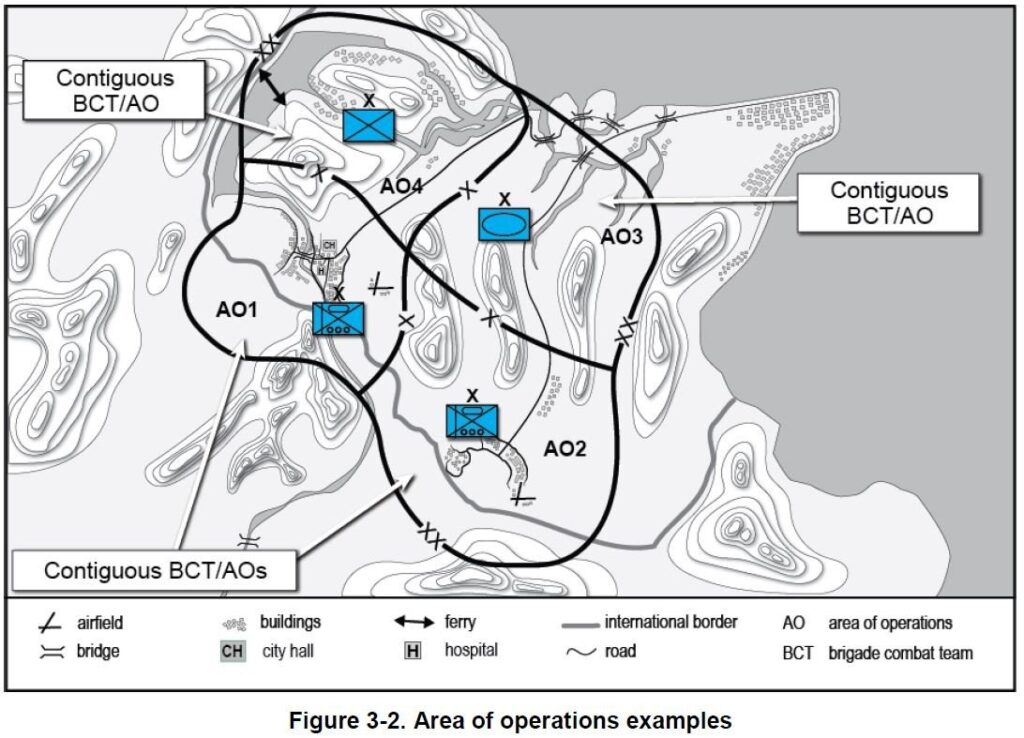
In the Army, this meant understanding the battlefield: terrain, weather, civilian population and boundaries. Not the entire war, just our battlefield.
In real estate, it means truly knowing your market. Real estate is hyper-local. It’s easy to get caught up in national headlines about prices and trends, but a housing crash in San Francisco likely means very little to our market here in New Orleans.
This step requires a mastery-level understanding of neighborhoods, flood zones, insurance costs, taxes, zoning, housing stock and local supply and demand. You need to know the major players: who is buying, who is selling and why.
Just as important, let data drive your conclusions, not the other way around. It’s easy to find data that supports what we already believe. Confirmation bias is real, and it’s a dangerous trap.
One more note on this step: you can be successful without knowing all of this yourself, but only if you have someone in your corner who does, like a Realtor, mentor, partner or advisor.
2. Describe the effects of the environment
Once we understood the environment, the next step was figuring out how terrain, weather, population and infrastructure affected our troops’ ability to move and act. A dense city or a narrow valley creates very different constraints than open ground.
Real estate works the same way. A market’s environment shapes what options investors have: property taxes, assessments, insurance affordability, population movement, employment trends and whether wages have kept pace with prices.
Locally, that could include the effect of short-term rental restrictions over the past few years or the ongoing population shift from Orleans Parish to the Northshore. Like it or not, these forces have real, measurable effects on our market.
For example, the last decade of rising prices and falling interest rates was perfect for the BRRRR method. Today, BRRRR is still possible, but it’s like driving a tank through the French Quarter. Technically doable, but extremely hard to navigate.
This is where expert investors separate themselves. Instead of saying “real estate doesn’t work anymore,” they ask “how can real estate work in today’s market?” They adapt to what the environment allows instead of fighting it.
3. Evaluate the threat
In IPB, evaluating the threat means understanding the enemy’s capabilities and intent. Not what we hope they’ll do, and not what they say they’ll do, but what they can realistically do and what incentives drive their decisions.
In real estate, the “threat” isn’t a single enemy. It’s a collection of market participants with different goals, resources and pressure points. This step is about identifying who actually moves the market.
Are buyers truly able to buy? How long can sellers hold onto historically low interest rates before they need to sell? Will the Fed cut rates without reigniting inflation? How long can institutional builders and investors hold out?
Capability matters as much as intent. A buyer may want to pay more but can’t. A seller may want to hold but won’t if pressure builds. This is also where many investors fall into mirror imaging: assuming everyone else thinks and reacts the way they do.
This step sets up the most important question of all: given these players and constraints, what realistic paths can the market take next?
4. Determine courses of action
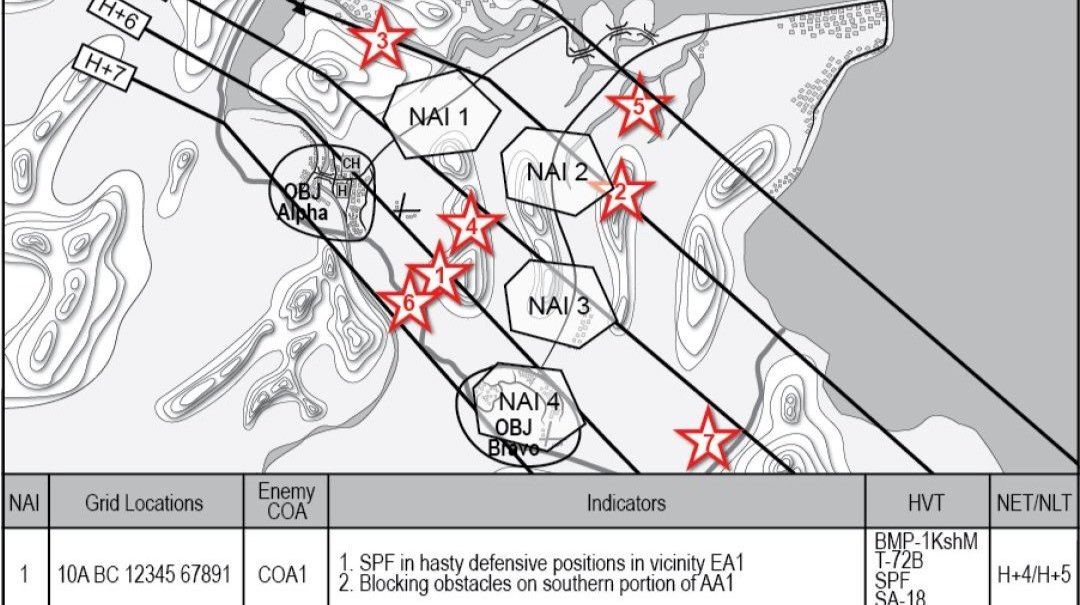
This is where everything comes together, and it’s the most valuable part of the framework. In the Army, we never tried to predict a single future. We identified several enemy courses of action and focused on two: the most likely course of action and the most dangerous course of action.
We then set up named areas of interest: specific indicators we watched to get early warning of which course of action was unfolding.
Real estate should be analyzed the same way. What outcomes are most likely? Which are most dangerous for my portfolio or business? What indicators will tell me early which path the market is taking?
In real estate, a most likely course of action might be flat prices or slow growth while wages catch up, along with longer days on market. A most dangerous one might be worsening insurance availability or affordability putting real downward pressure on values.
The key point: we aren’t picking the one outcome we believe will happen. We’re preparing for several and watching for signals that confirm or rule them out. Real estate indicators might include interest rates, days on market, price reductions, job growth or losses, insurance carriers entering or leaving the market, rent concessions, and institutional investors buying or selling locally.
If you consistently watch those indicators and use them to test your assumptions, you gain a real advantage and reduce your risk.
Plan for several futures, not one
In the Army, intelligence wasn’t about being right. It was about giving decision-makers an advantage in the fog of war. We accepted that information would always be incomplete, the situation would always change, and certainty was anything but. Real estate is no different.
The investors and professionals who do well over time aren’t the ones with the strongest opinions or boldest predictions. They define their environment clearly, let data drive conclusions, understand incentives, plan for multiple outcomes and watch closely for early signs that reality is shifting.
Intel teaches you to stop asking “what do I think will happen?” and start asking “what are the plausible paths forward, and how do I stay positioned no matter which one unfolds?” That mindset is a real tactical advantage in today’s market.
Want to talk through a deal or your plans in St. Bernard Parish? Call Arpent Realty at 504-356-3897, or see how we work with real estate investors.
Common questions
What is Intelligence Preparation of the Battlefield?
A four-step Army method for analyzing an area and an enemy: define the environment, describe its effects, evaluate the threat and determine likely courses of action. The same steps work well for analyzing a real estate market.
What indicators should real estate investors watch?
Interest rates, days on market, price reductions, job growth or losses, insurance carriers entering or leaving the market, rent concessions, and institutional investors buying or selling locally.
This post is for general information and is not investment advice.
This post first appeared on LinkedIn on December 16, 2025.